


Hair Extension Length Chart for Salons: Height, Hair Type & Method Guide
017
Hair Extension Length Chart for Salons: How to Recommend the Right Length by Client Height, Hair Type & Extension Method
For salons and hairstylists, choosing the right hair extension length is not just about inches. The same 18-inch or 20-inch hair extensions may present different visual effects on different clients. A client’s height, natural hair type, hair density, and chosen extension method can all affect the overall sense of length, naturalness, and wearing experience after installation.
Therefore, when recommending hair extension lengths to clients, salons can refer to a professional hair extension length chart and make a comprehensive judgment based on the client’s height, hair quality, and installation method. This type of length reference can serve as an auxiliary tool during the stylist consultation process, helping them more clearly explain the visual differences of different lengths on clients, as well as the possible effect changes brought by different extension methods. This also helps salons provide more professional and well-supported recommendations during consultations, thereby helping improve consultation efficiency, client satisfaction, and salon service conversion rates.
This guide from ESSMEI, a professional wholesale hair extension manufacturer, is designed for salons, hairstylists, and extension professionals who need a practical reference when discussing extension length options with clients.
Key Takeaways
-
A hair extension length chart is a helpful salon consultation reference, but the final recommendation should also consider client height, hair type, hair density, extension method, and maintenance ability.
-
The same hair extension length can look different on different clients because body height, hair condition, and installation method all affect the final visual result.
-
Fine-hair clients usually need more cautious length recommendations, as overly long extensions may make the ends look thinner if natural hair density is not enough.
-
Tape-in extensions are often suitable for lightweight, natural-looking length changes, while Genius Weft and Keratin Bond extensions can support more noticeable long-hair effects when the client’s hair condition allows.
-
Stylists should explain the expected final look before installation to help clients understand length, blending, maintenance, and possible styling results.
Hair Extension Length Chart for Salons
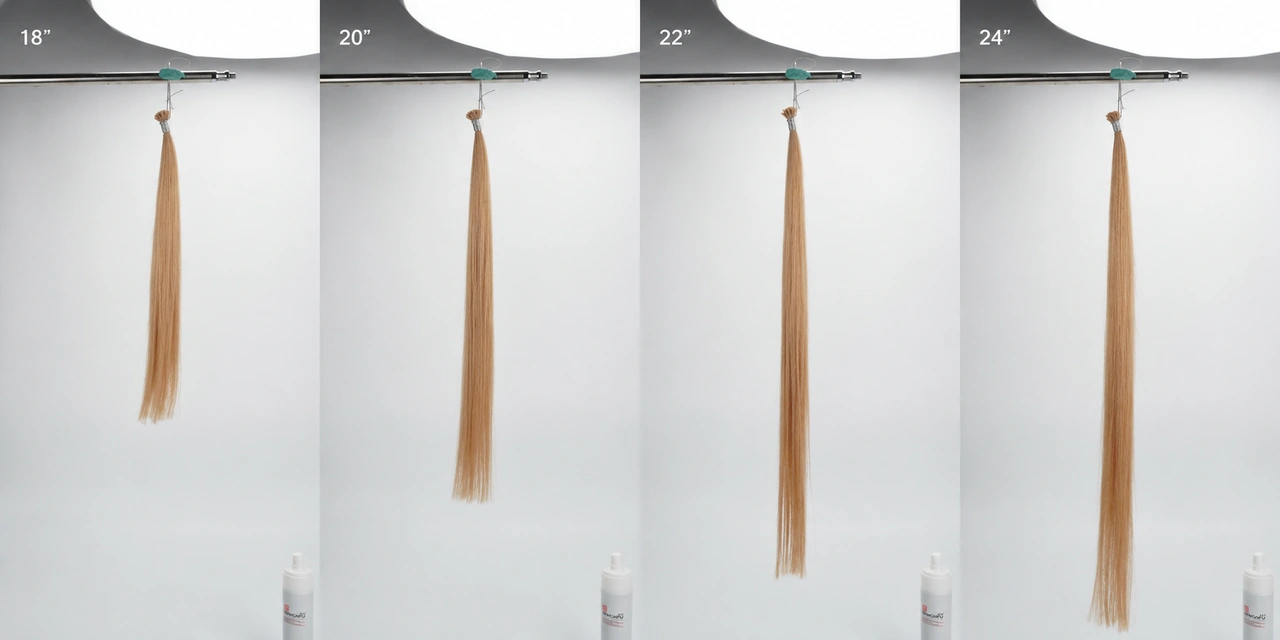
Standard Hair Extension Length Chart
Before recommending a length, stylists are advised to use the standard hair extension length chart as a basic reference. It can help, as much as possible, explain where different inch lengths will generally fall on the client’s body, from a natural medium-length effect to a longer and more noticeable styling effect. However, the final visual effect may still need to be evaluated together with the client’s height, natural hair type, hair density, and chosen extension method. The chart below should only be used as a general reference direction:
| Extension Length | Visual Result | Best For |
| 14 inch | Natural medium length | Petite clients, fine hair |
| 16 inch | Natural long look | Most salon clients |
| 18 inch | Classic long hair | Average-height clients |
| 20 inch | Glamorous long look | Clients wanting visible length |
| 22 inch | Extra long | Taller clients or dramatic looks |
| 24 inch+ | Very long / statement look | Experienced extension clients |
(This chart is intended as a general consultation reference. The final recommendation should depend on the client’s natural hair, density, desired result, extension method, and maintenance ability. Besides, ready-to-ship stocked lengths may vary by product type. Please confirm current inventory before ordering )
Why Length Looks Different on Every Client
-
Client height It is worth noting that the same hair extension length may present different visual effects on different clients. For example, a certain length may look natural and moderate on a taller client, but on a more petite client, it may fall lower on the body, making the overall visual proportion appear heavier. Conversely, if the length is too short for a taller client, the change after installation may not be obvious enough, and the stylist’s room for adjustment in layering and natural blending may also be relatively limited. Therefore, when recommending hair extension lengths, salons need to include the client’s height and body proportions in the consultation judgment, although this is not the only deciding factor. If the chosen length does not align with the client’s expectations, it may affect the client’s understanding of the final result and also increase the salon’s communication costs when explaining the effect before installation and discussing adjustments after installation.
-
Hair type The client’s hair type can also affect the length effect after extensions: although issues such as extension weight and later trimming for blending and volume still need to be considered, clients with thicker hair volume are usually better able to carry longer lengths, while fine-hair clients need to be more cautious when choosing longer hair extensions, because if hair density is insufficient, overly long extensions may make the ends look less full.
-
Different types of hair extension method The extension method can also affect the final presentation of the same length on the client. Even if the length is 18 inches or 20 inches, different installation methods may create different drape, volume distribution, and blending methods. Generally speaking, tape in hair extensions are more suitable for a lightweight, natural length effect; Genius weft hair extensions are more suitable for a fuller and more noticeable long-hair effect; and keratin bond extensions are more suitable for length solutions that require customized sectioning and detailed blending.
For salons, a hair extension length chart can be used as a basic reference, but the final recommendation also needs to be evaluated together with the installation method, the client’s own hair quality or hair condition, and the desired result.
Hair Extension Length Guide by Height
Hair Extension Length Chart by Client Height
| Client Height | Natural-Looking Length | Long Glam Length | Extra-Long Length |
| Under 5'2" | 14–16 inch | 18–20 inch | 22 inch |
| 5'2"–5'6" | 16–18 inch | 20–22 inch | 24 inch |
| 5'7"–5'10" | 18–20 inch | 22–24 inch | 26 inch |
| Over 5'10" | 20–22 inch | 24–26 inch | 28–30 inch |
(This chart is intended as a general consultation reference. The final recommendation should depend on the client’s natural hair, density, desired result, extension method, and maintenance ability. Besides, ready-to-ship stocked lengths may vary by product type. Please confirm current inventory before ordering )
How Stylists Should Explain Length to Clients
Generally speaking, 16-inch extensions may create a longer effect on more petite clients and a medium-length effect on taller clients. 20-inch extensions may create a more styled long-hair effect on more petite clients, while appearing more natural and softer on taller clients. If a taller client is looking for a more noticeable long-hair effect, 22-inch extensions or longer may be needed.
However, stylists should explain to clients that height is only one factor in the consultation. Before making the final recommendation, the client’s natural hair length, hair density, end thickness, face-framing goals, and preferred styling result should also be considered.
Salon Recommendation Tips Based on Client Height
Hair Extension Length Comparison by Client Height:
-
Petite clients: For petite clients, 14–18 inches may usually present a more natural or medium-length effect, but the final recommendation should still depend on the client’s natural hair, hair density, and desired result.
-
Average-height clients: For average-height clients, 16–22 inches usually provides a wider range of options, from natural everyday length to a more noticeable long-hair effect.
-
Taller clients: For taller clients, 20–24 inches may usually look more balanced, especially for clients who want the extensions to look visibly longer.
-
Very tall clients: For very tall clients who want a noticeable long-hair effect, 24 inches or longer can be considered, depending on their natural hair condition, extension weight, and maintenance ability.
How Hair Type Affects Hair Extension Length
Fine Hair Clients
Stylists need to be more cautious when recommending hair extension lengths and methods for for clients with fine hair. Because fine hair usually has thinner strands and relatively lower hair density, if very long extensions are chosen from the start and the client’s own hair density is not sufficient to support them, the ends may look thinner and the final result may appear less natural. This visual difference can affect the blending effect between the extensions and natural hair and also increase the difficulty of later trimming and adjustments.
For clients with shorter natural hair and fine hair quality, 12–16 inches can usually serve as a more natural and more secure reference range. For most fine-hair clients whose natural hair is not too short, 14–18 inches can serve as a reference range that is easier to blend for first-time extensions. This length range is relatively easier to blend with natural hair and will not create too strong a sense of weight or disconnection at the ends. If the client wants a more noticeable fuller effect, the stylist can first evaluate whether additional weight is needed, rather than achieving the effect simply by increasing the length.
Medium Hair Clients
For clients with medium hair volume, the choice of extension length is usually more flexible. Compared with fine-hair clients, medium hair volume usually provides a better foundation for blending different lengths and makes it easier to find a balance between natural length and a noticeable long-hair effect.
Generally speaking, 16–22 inches can serve as a common reference range for many salon clients. 16 inches usually leans more natural and everyday, 18–20 inches can bring a more noticeable length change, and 22 inches is more suitable for clients who want a longer visual effect. However, the final length still needs to be evaluated together with the client’s own hair length, end thickness, hair condition, and chosen extension method.
During the consultation, stylists can further adjust the recommendation based on the client’s lifestyle and styling habits. If the client cares more about easy daily maintenance, natural and moderate lengths can be prioritized; if the client often curls, styles, or wants a more noticeable long-hair effect, longer extension lengths can be discussed based on suitable hair volume and weight.
Thick Hair Clients
For clients with thicker hair volume, because their natural hair itself has a very strong visual presence, choosing longer extensions makes it easier to create a full long-hair effect overall. However, thick hair volume does not mean that stylists can simply increase length while ignoring weight. If the client’s own hair is thick but the extension weight is insufficient, the extension area may look too thin, resulting in an obvious disconnection between the natural hair and the extensions. Especially when choosing longer sizes such as 20 inches, 22 inches, or 24 inches, stylists need to consider extension weight, placement method, and end thickness at the same time.
Generally speaking, 20–24 inches can serve as a common reference range for thick-hair clients who want to create a fuller long-hair effect. This length range can present a relatively noticeable long-hair visual effect and is also easier to balance with the client’s own hair volume. However, the final length still needs to be evaluated together with the client’s height, natural hair length, end condition, and daily care habits.
In addition, post-installation layering and natural blending are especially important. Because, even if the length and weight are chosen appropriately, without proper layering and blending, the extensions and the client’s own hair may still look insufficiently soft and seamless.
How Extension Method Affects Hair Extension Length
Hair extension length comparison by extension method:| Extension Method | Suitable Lengths | Best For |
| Tape-In | 14–22 inch | Natural volume and length |
| Genius Weft | 16–24 inch | Fuller long-hair looks |
| Keratin Bond | 16–24 inch | Long-lasting results |
(This chart is intended as a general consultation reference. The final recommendation should depend on the client’s natural hair, density, desired result, extension method, and maintenance ability.)
Tape-In Extensions
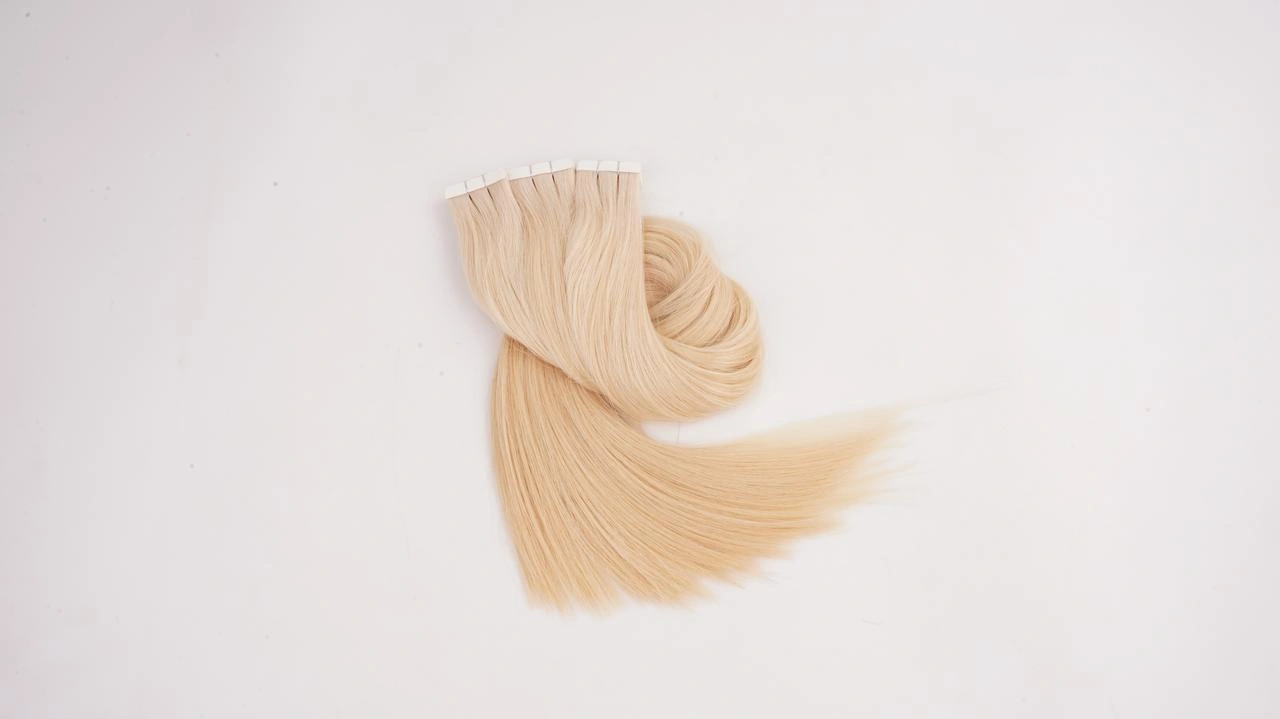
Tape-in extensions usually sit relatively close to the scalp, with flatter attachment points and a lighter overall wearing feel. Therefore, when recommending extension lengths to clients, tape-in extensions are often used as a reference choice for naturally adding length and volume, especially for clients who want a natural length change, lightweight wearing feel, and everyday styling effect.
Generally speaking, 14–22 inches can serve as a common length reference range for tape-in extensions. 14–18 inches is more suitable for a more natural, everyday effect; 20–22 inches is more suitable for clients who want a more noticeable length change. However, if the client wants to choose a longer length, the stylist still needs to make a comprehensive judgment based on the client’s natural hair length, hair density, end condition, and daily care habits.
For clients who prefer lightweight, natural-looking length, salons can explore professional tape-in extension options in popular lengths. Currently, 18" and 22" are our core ready-to-ship stocked lengths. For other lengths, please contact our team to confirm availability before ordering.
Genius Weft Extensions
Genius weft extensions usually have thin, soft, and flexible characteristics, making them suitable for clients who want a lightweight wearing feel and a flat blending effect. Compared with traditional wefts, the design of Genius weft is thinner and lighter. While adding length and volume, it can also serve as a reference choice for creating a flatter and more seamless weft result.
Generally speaking, 16–24 inches can serve as a common length reference range for Genius weft extensions. 16–18 inches is more suitable for clients who want to naturally add length and volume; 20–22 inches can be used for a more noticeable long-hair effect; if the client wants a stronger styling effect or a longer visual presentation, 24 inches can also serve as a consultation reference. However, the specific recommended length still needs to be evaluated based on the client’s natural hair volume, hair density, number of installed rows, extension weight, and desired fullness. For fuller or longer results, the stylist should ensure that the weight, placement, and blending plan can support the final style.
For clients who want a flatter genius weft result with added length and volume, Genius Weft extensions can be discussed as part of the consultation. For ready-to-ship Genius Weft extensions, ESSMEI currently focuses on 18", 20", and 22" as the main stocked lengths. These lengths cover many common salon consultation needs, from natural added length to a more noticeable long-hair effect.
Keratin Bond Extensions/ Flat Tip Extensions
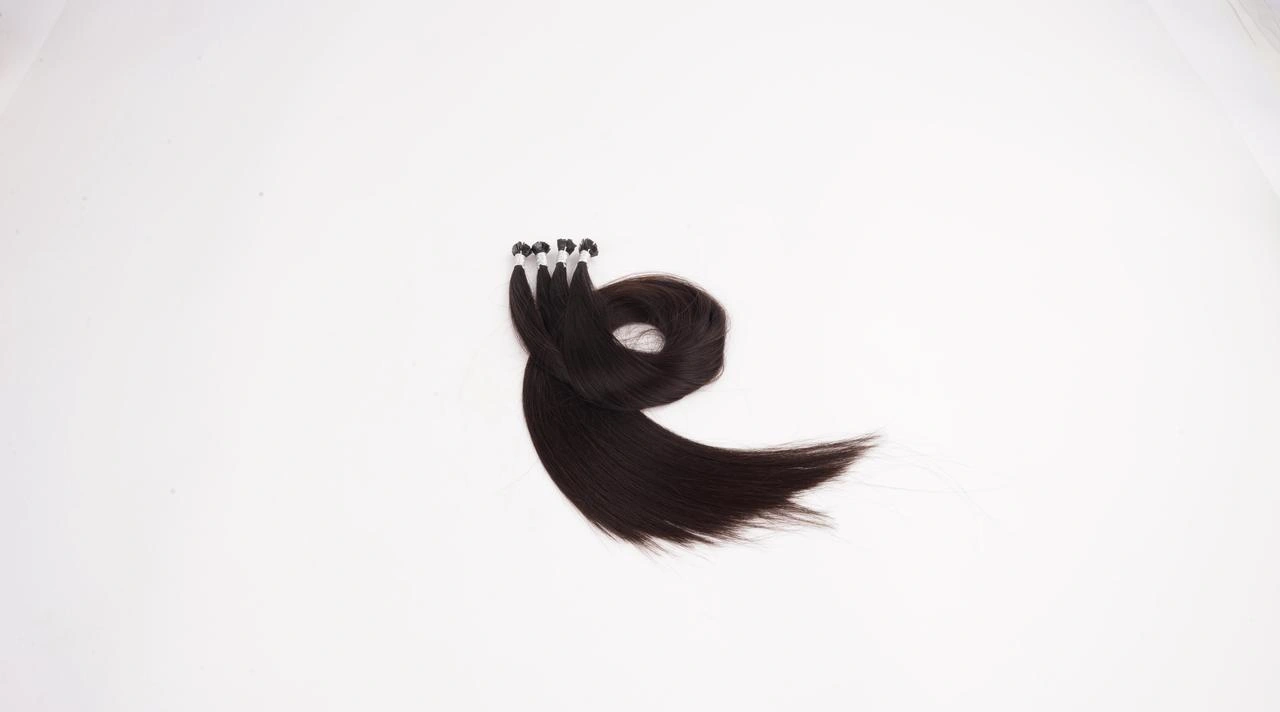
Keratin Bond Extensions are suitable for clients who want a natural blending effect and can accept more detailed aftercare and regular maintenance. Generally speaking, 16–24 inches is a relatively common length reference range for keratin bond extensions. 16–18 inches can create a more natural everyday effect, while 20–24 inches is more suitable for clients who want a more noticeable long-hair effect.
However, when choosing longer lengths for keratin bond extensions, special consideration needs to be given to the client’s natural hair strength and later maintenance habits. Because longer extensions usually bring higher care requirements, they also require the client to be more cooperative with brushing, washing, care, and regular maintenance. If the client’s own hair is fine, weak, or lacks density at the ends, stylists need to be more cautious when recommending lengths above 20 inches.
For clients who need more customized placement, keratin bond extensions may be considered when the client’s natural hair can support the method. For ready-to-ship Flat Tip extensions, 18" and 22" are now the main stocked lengths. If salons need other keratin bond extension lengths, please contact our sales team to confirm availability before placing an order.
How Salons Can Use a Hair Extension Length Chart During Consultation
A hair extension length chart can not only help clients understand the general effect of different lengths, but also serve as a general reference tool during the salon consultation process. For stylists, recommending hair extension lengths should not only be based on how many inches the client wants, but also requires a comprehensive judgment based on the client’s height, natural hair condition, hair density, extension method, and daily maintenance habits.
During the consultation, salons can use the hair extension length chart through the following steps to help clients more clearly understand the possible visual effects of different lengths.
Step 1: Check the Client’s Height
-
First observe the client’s height and body proportions
-
Use the length chart to explain where the hair may generally fall, such as below the shoulders, at the chest, below the chest, or near the waist.
-
Ask the client about the effect they want and discuss whether that length matches their natural hair, body proportion, and styling goals.
Step 2: Evaluate the Client’s Hair Type
-
Fine-hair clients: Prioritize recommending natural or medium lengths to them, and avoid overly long extensions that make the ends look less full
-
Medium hair volume clients: Usually have a wider range of length options, and recommendations can be adjusted based on their target effect and lifestyle
-
Thick hair volume clients: Longer lengths can be considered, but the appropriate weight and layering need to be explained in advance
Step 3: Choose the Right Extension Method
-
Tape-in extensions: Usually sit closer to the scalp and are suitable for natural to medium-long effects in the 14–22 inch range; if the length is too long, the client’s natural hair needs to be evaluated to see whether it can blend easily.
-
Genius weft extensions: More suitable for more noticeable long-hair effects in the 16–24 inch range, because weft-type extensions can usually add more volume and visual thickness.
-
Keratin bond extensions: Suitable for natural to noticeable long-hair effects in the 16–24 inch range, but longer lengths require consideration of the client’s natural hair strength and maintenance habits.
Step 4: Explain the Final Look Before Installation
-
Before installation, you can explain in advance to the client how the final effect may appear.
-
If longer extensions are chosen, it is necessary to explain in advance that daily brushing, care, and styling time may increase, and ask whether the client can accept this.
-
If more weight or an adjusted length is needed because the client has less hair volume or thinner ends, it is recommended to explain the reason and possible cost changes before installation
-
Set clear expectations to avoid after-sales disputes caused by differences in visual effect
FAQ About Hair Extension Length Recommendations
What is a hair extension length chart used for?
A hair extension length chart helps salons explain where different extension lengths may fall on the client’s body and supports more professional length recommendations during consultation.
Why does the same hair extension length look different on different clients?
Because client height, body proportion, natural hair density, hair type, and extension method can all change the final visual effect.
What hair extension length is better for fine hair?
For fine-hair clients, shorter to medium lengths are usually safer. 12–16 inches or 14–18 inches can be used as reference ranges, depending on the client’s natural hair length and density.
How do extension methods affect length recommendations?
Tape-in extensions are more suitable for natural and lightweight length effects, while Genius Weft and Keratin Bond extensions can be considered for fuller or longer results if the client’s hair condition and maintenance ability support them.
Should salons recommend hair extension length only by inches?
No. Salons should consider height, natural hair condition, hair density, desired result, extension method, and maintenance ability before making the final recommendation.
Are all hair extension lengths available in stock?
No. The length chart is mainly for salon consultation. For ready-to-ship stock, Genius Weft is currently stocked in 18", 20", and 22", while Flat Tip and Tape-In extensions are currently stocked in 18" and 22". For other lengths, salons should confirm availability before ordering.
CTA
ESSMEI now keeps selected popular lengths in stock to help salons restock more efficiently and meet common client needs.
-
Genius Weft: 18", 20", and 22" are regularly stocked.
-
Flat Tip / Keratin Bond: 18" and 22" are regularly stocked.
-
Tape-In Extensions: 18" and 22" are regularly stocked.
For other lengths, please contact our team to check current availability or order options.
Whether your clients are looking for natural fullness or a more noticeable long-hair effect, ESSMEI’s Genius Weft, Tape-ins, and Keratin Bond wholesale human hair extension collections can support different salon consultation needs.
Related Posts
 Butterfly Weft Hair Extensions: 4 Types Compared
18
Butterfly Weft Hair Extensions: 4 Types Compared
Compare four ESSMEI butterfly weft hair extensions—Flip, Invisi Flip, Genius Flip, and Twin-Genius—and choose the right option for each salon client.
Read More Best Hair Extensions for Fine Hair: Tape-Ins, I-Tips & Genius Wefts
22
Best Hair Extensions for Fine Hair: Tape-Ins, I-Tips & Genius Wefts
Discover the best hair extensions for fine hair clients. Compare Tape-In, I-Tip, and Genius Weft extensions to help salons create lightweight, natural, and comfortable results.
Read MoreComments (0)
No comments yet.